

5 Things to Know About Diwali or Deepavali: Festival of Lights.
Diwali (Dee-WAH-lee) also known as the “Festival of Lights,” comes from the Sanskrit word Deepavali, which means a ‘row of lights.’ It falls every year between mid-October, and mid-November based on the Hindu lunar calendar.
It is celebrated with sparkling lights, colourful decorations, food, and spectacular fireworks celebrations across India. But behind the festivities lies a deeper spiritual story about hope, renewal, and the power of good over evil.
Whether you have heard of Diwali before or are discovering it for the first time, here are five things worth knowing about one of the world’s most celebrated festivals.
1.A Celebration of New Beginnings and Light Over Darkness
At its heart, Diwali is a celebration of hope, goodness, and new beginnings. For many Hindus, Jains, Sikhs, and Buddhists who celebrate the festival, it symbolises the victory of light over darkness and knowledge over ignorance.
It is a chance to leave behind negativity, embrace gratitude, and start a new chapter with positivity and purpose. It is a reminder that even during tough times, light and positivity can prevail.
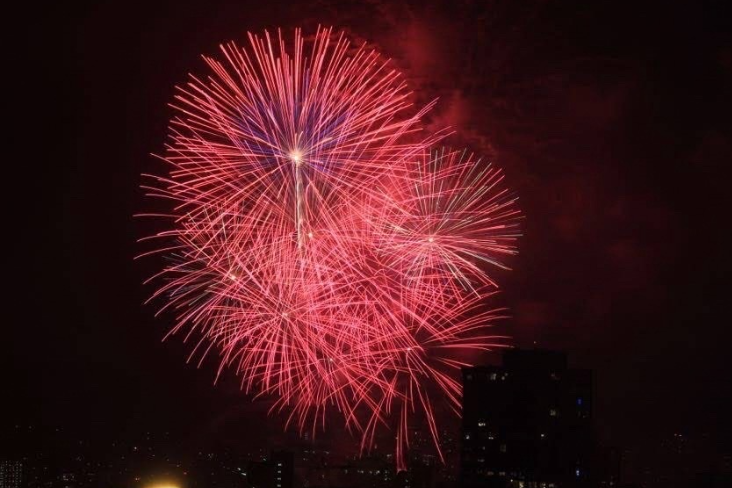
In many ways, Diwali serves a similar role to New Year’s celebrations around the world, with fireworks light up the night sky. It is also a moment to reflect on the past and welcome the future.
2. It’s More Than Just One Day
The lead-up to Diwali is as important as the festival itself.
While many people refer to Diwali as a single day, it’s a major five-day festival, each day with its own meaning and customs. Depending on the region and family traditions, celebrations include:
- Cleaning and decorating homes
- Shopping for new clothes and gifts
- Family gatherings, feasts, and exchanging gifts.
- Lighting lamps, candles, and sparkles
- Religious prayers and ceremonies
- Community celebrations and cultural events
The main day of Diwali is often dedicated to prayers for prosperity, wellbeing, and happiness in the year ahead.
3. Lights Are at the Centre of the Celebration
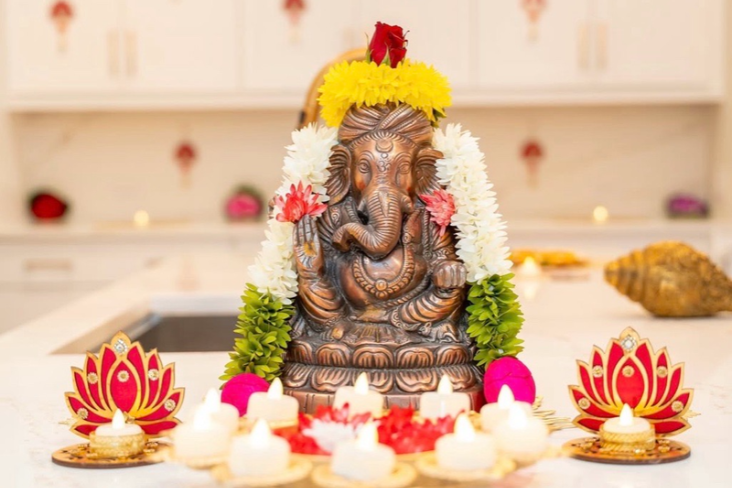
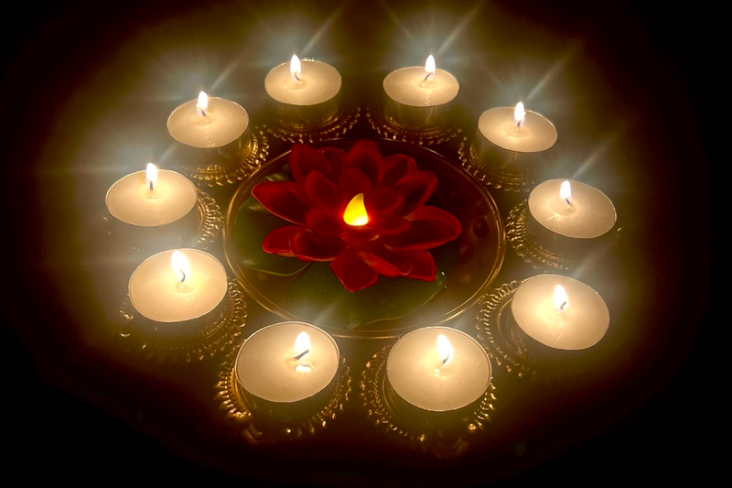
The most recognisable symbol of Diwali or Deepavali is the Diya – a small oil lamp traditionally made from clay.
Families place diyas around their homes, entrances, balconies, and courtyards. Homes and streets are also decorated with fairy lights, lanterns, candles, and colourful displays.
These lights symbolise the removal of darkness and the welcoming of prosperity, wisdom, and positivity.
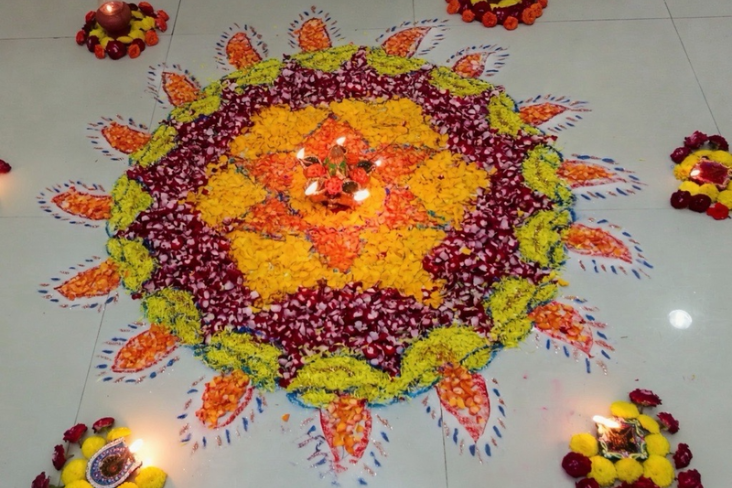
You also see beautiful Rangoli designs, intricate patterns created using coloured powders, flowers, or rice at entrances to homes. Rangoli designs are both decorative and symbolic, welcoming guests and good fortune.
4. Food, Family, and Generosity Play a Big Role.
Like many celebrations around the world, food brings people together during Diwali.
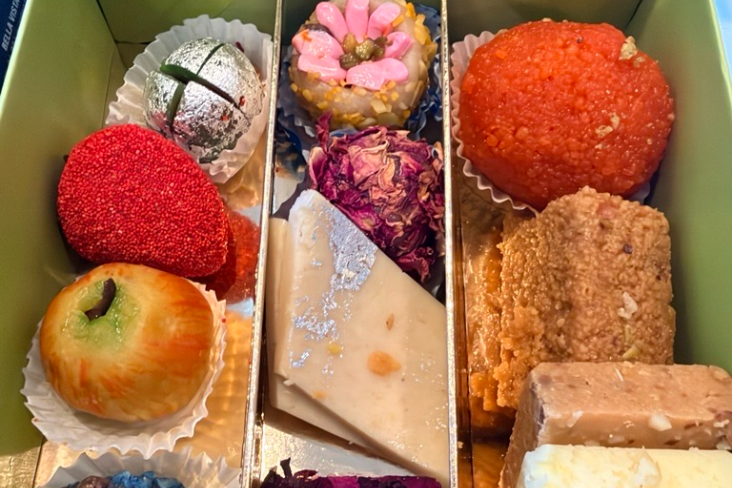
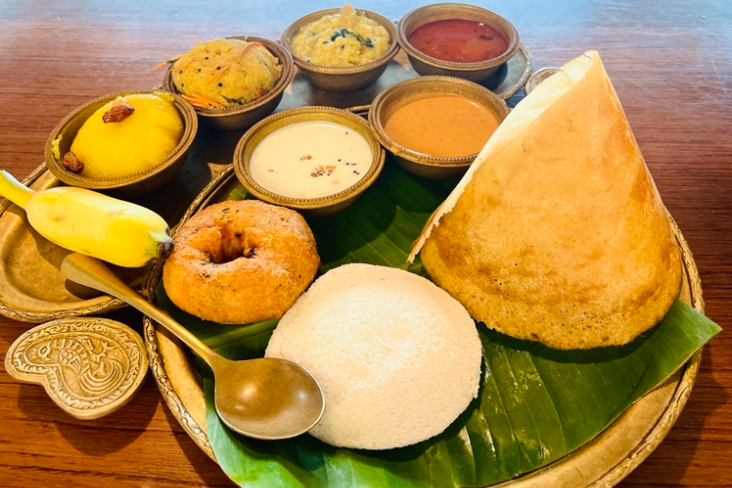
Families gather to enjoy festive meals, share homemade treats, and exchange gifts. Tables are often filled with an assortment of sweet and savoury dishes, with recipes passed down through generations.
Popular Diwali sweets include Ladoos, Barfi, Jalebi, and Gulab jamun, though the specific foods vary by region in India and family heritage.
Many people also use the occasion to give to charity, support their communities, and express gratitude for the blessings in their lives.
5. Evolution into a Global Festival
Although Diwali originated in the Indian subcontinent, diverse communities now celebrate it globally.
Countries including Australia, New Zealand, Singapore, Malaysia, Fiji, South Africa, the UK, Canada, and the United States host Diwali events featuring cultural performances, music, food festivals, and public light displays.
Today, Diwali is embraced not only by those who observe it religiously, but also by friends, neighbours, schools, workplaces, and communities who join in celebrating its universal message of hope, unity, and renewal.
The Meaning of Diwali Today
While customs vary between regions, cultures, and faiths, the essence of Diwali remains the same: bringing light into our lives and sharing joy with others. It reminds us that kindness can overcome negativity, that community matters, and that even in uncertain times, there is always good to be found.
Whether it’s lighting a lamp, enjoying a meal with family, giving thanks, gifting friends, or simply wishing someone well, Diwali encourages people to reflect on what truly matters and to welcome a brighter future.
And that’s why its meaning continues to resonate with millions of people around the world every year.
Diwali Greetings.
If you would like to greet someone celebrating Diwali, a simple message such as:
- “Happy Diwali! Wishing you and your family happiness, prosperity, and light.”
- “Happy Diwali”
- “Sending you warm wishes this Diwali.”
From everyone at Navitas Skilled Futures- Happy Diwali to all who celebrate. May the festival bring light, joy, and prosperity to you and your loved ones. 🪔